Community-First Development: This Land Was Made For You And Me
Site selection shapes the quality of life for its future residents and the final price of every lot.
Start reading

Site selection shapes the quality of life for its future residents and the final price of every lot.

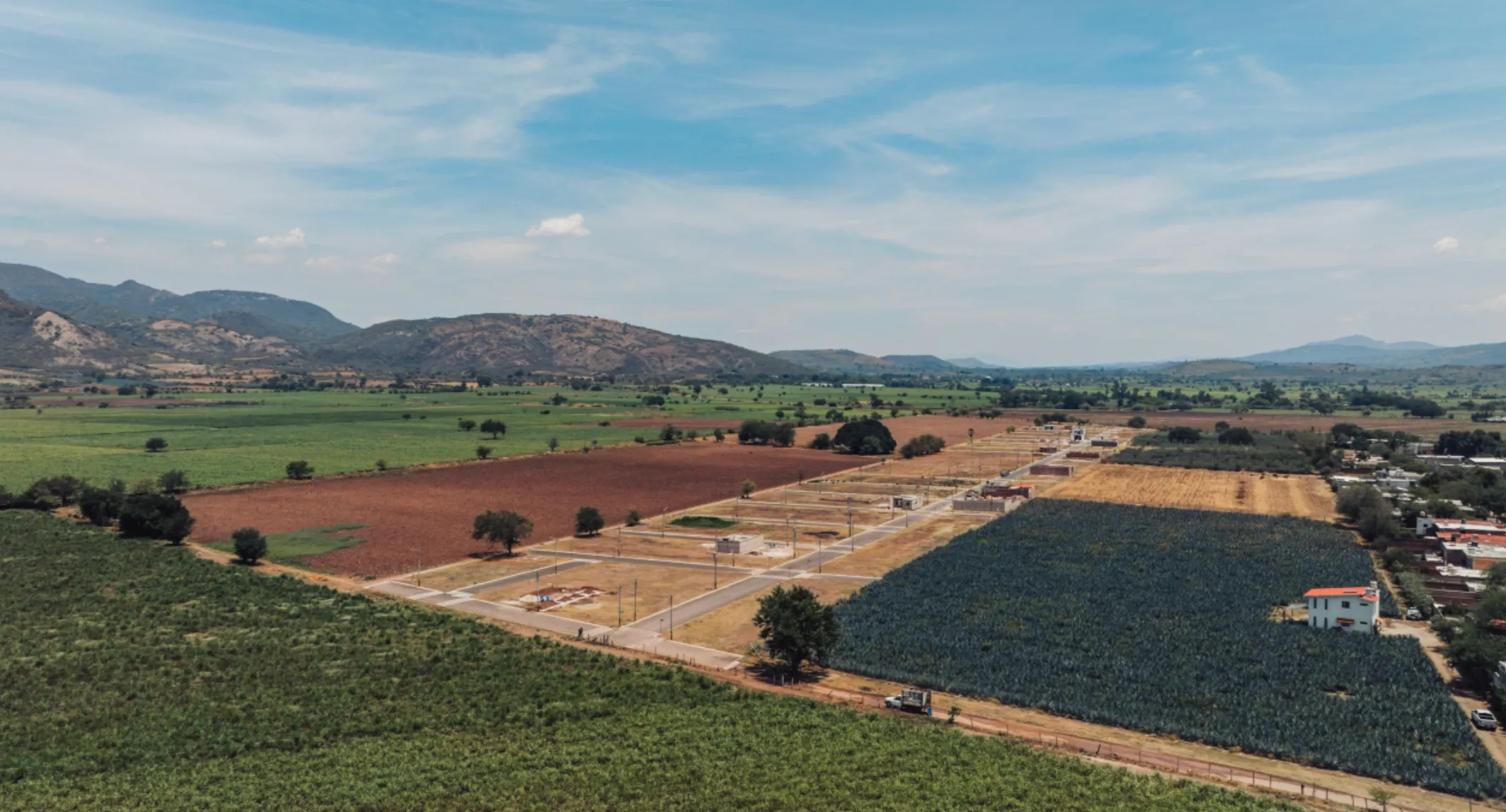
Not every plot of land is chosen the same way. A patch of earth can look identical to the one a few miles down the road and still carry a completely different future: one connected to schools, clinics, and jobs, the other cut off by a road that was never built. Before a family can say yes to purchasing a piece of land, someone has to ask whether that land is ready to be the foundation for a fruitful community and life.
That's the work behind every New Story master-planned community. Land isn't simply found and handed over. It's evaluated, tested, and shaped to be viable, so that the plot a family eventually chooses is one built to carry their future.
Site selection matters because it ultimately shapes the quality of life for its future residents and the final price of every lot. If the goal is to make land affordable and create real impact for families, the first step is making sure the site itself is right for the job. The OECD’s 2024 review of housing in Mexico found that disordered urban development has left many families living in peripheral areas with limited access to jobs, transport, and urban services. It’s a reminder that a low purchase price alone doesn’t make a location affordable. That’s why the first thing the team looks at isn’t the plot itself. It’s everything around it. Is the site close to an urban center? Does that center have the schools, health clinics, banks, and markets a family needs?
The first thing the team looks at isn't the plot itself. It's everything around it. Is the site close to an urban center? Does that center have the schools, health clinics, banks, and markets a family needs?
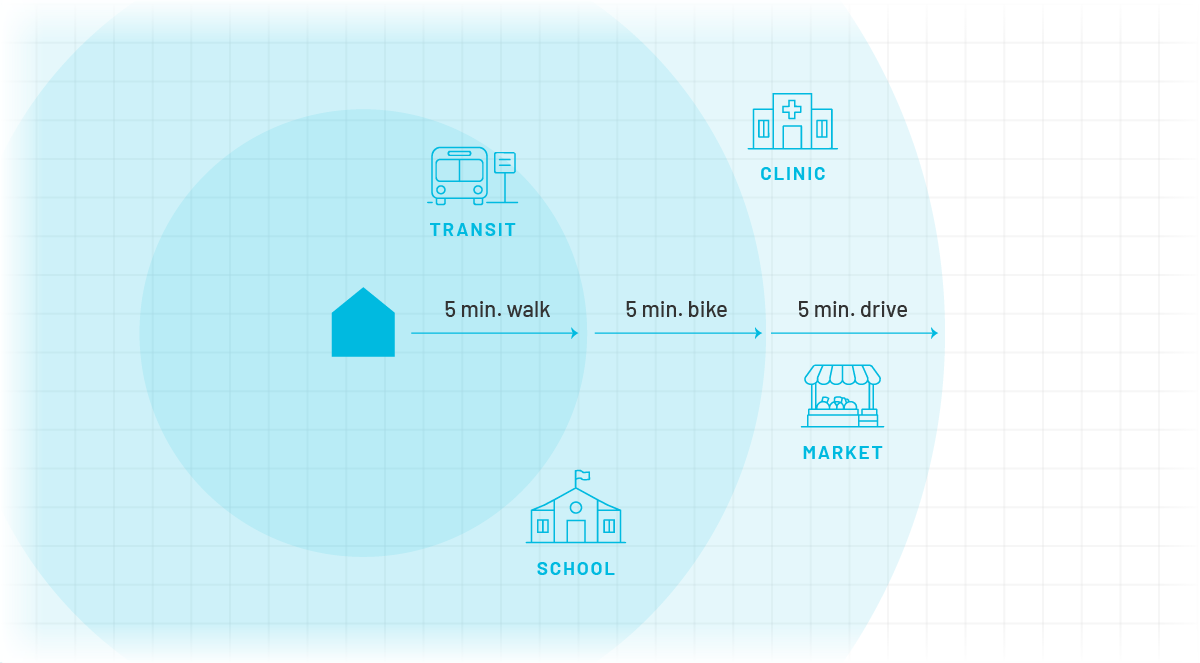
Consider a mother who works mornings and has to get her kids to primary school. If the site is 15 kilometers from town and there is no public transit, that walk becomes the defining feature of her day. Families who move into a new community need to already be connected to the things they need. The site has to be able to support families’ everyday routines and access to opportunities.
Connection matters just as much as location. A beautiful piece of land with no road access means someone has to pay to build access, and that cost is passed on to the lot price.
Once the location is settled, the New Story team turns to the land itself: risk factors, soil, slope, current zoning, and legal ownership.
Safety comes first: land pieces prone to flooding or landslides are discarded immediately.
Soil type sounds like a technical footnote. It isn't. When families build on their land, the soil has to be good for construction. If it isn't, that doesn't mean building is not possible. It means the foundations become more costly. Every peso spent on soil correction is a peso that could have gone toward something a family wanted for their home, like tiling the floor, expanding the kitchen, or adding a second bathroom.
Slope works the same way. Steep terrain can require substantial earthworks, while very flat terrain can complicate drainage. Both increase development costs.
And then there are the legal issues: Is the land privately owned, and is that ownership clean and clear? Private property with a clear title is simpler and less costly to bring into use. Anything murkier — and there are a lot of non-existent or murky titles — adds time, permits, and expense before a family can move forward.

Land doesn’t exist in isolation from the systems around it. Our team brings municipal authorities and developers into the process to understand permitting requirements, infrastructure needs, and the steps required to develop a site. Building these relationships is essential because every permit must be secured and every obstacle cleared before construction can begin. Infrastructure tells a similar story. In many parts of Mexico, water, drainage, and electricity aren't guaranteed to be available at a given site. If they're missing, someone has to bring them in, and that cost shapes the final price of every lot.
None of this is simple. Soil tests, topographic studies, slope surveys, legal review, and infrastructure mapping: a single site can take months of diligence before it's ready to be offered to families. But the reason it's worth it is simple, too. This isn't only about capital or investment; it’s about making sure people's lives can improve. Families will spend a significant share of their resources on this land, and most will live there for the rest of their lives. In the site selection process, it’s our responsibility to ensure communities are set up for success, and that starts with developing a solid relationship with the municipality.
This land was made for you and me, and that's exactly why it can't be chosen simply because it is convenient for a developer or because it's being sold at a low price. Somewhere out there, the right plots are waiting: well situated, structurally sound, legally clear. Finding them takes months of testing, questioning, and care. It’s the quiet work that happens long before anyone arrives to call it home.
Every family that becomes part of a community we help build deserves land chosen with the same care they'll bring to building their future on it. That's what site selection really is: not a technical checklist, but the reason a piece of earth can become someone's place in the world.
Sign up for our newsletter