Cool by Design: Building with Bamboo
With our partners, we built a bamboo home to test an idea. We're still leaning, and the early results are promising.
Empieza a leer

There's no place like home. And at New Story, we're committed to proving that more families can own one.
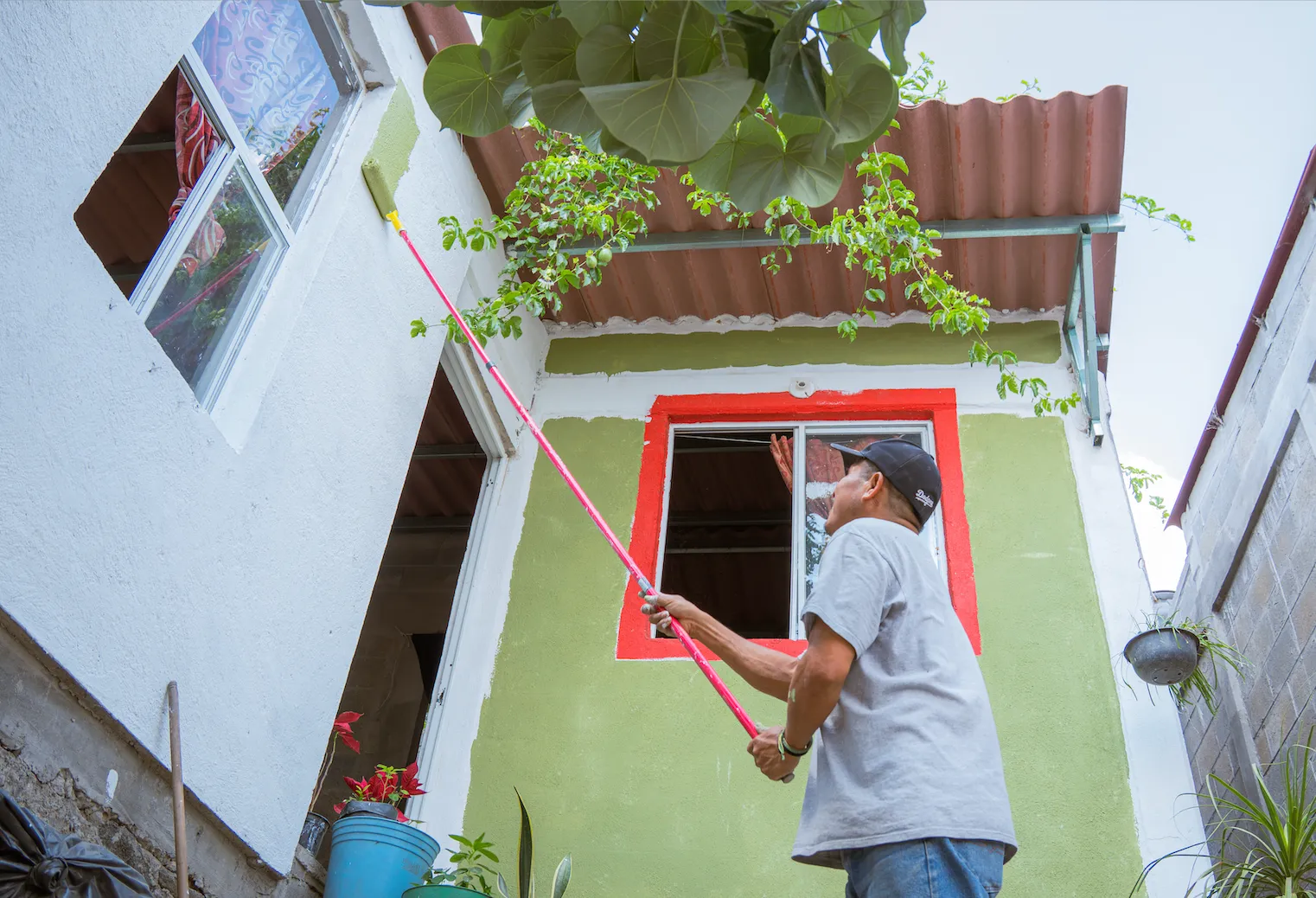
The housing crisis looks different everywhere. In Mexico, it rarely looks like what most people imagine. It lives inside the walls of homes that are already standing, overcrowded, improvised, under-resourced, and built on land families don't have the legal right to call their own.
After years of working in the field, our team has learned solving it requires something most organizations aren't willing to invest in: real research and development, not just to test new technologies, but to understand how families actually build, how the system around them works, and what services, and support they need to shape their homes over time.
Housing is often treated as a problem that requires a single breakthrough: a cheaper material, a faster construction system, a scalable design that can be replicated everywhere. In reality, housing systems are more complex and deeply local. No single solution works everywhere, not even within the same country. What works in a dense urban neighborhood in Mexico City may be completely incompatible with the building culture in rural Jalisco.
That's why we invest in R&D. Not because it's fashionable, but because it's necessary.
R&D in housing spans construction systems, financing models, urban policy, and the market conditions that determine whether a family can access any of it. All of those areas need innovation. But in this piece, we're focused on one: how homes are actually built.
In Mexico, around 60% of all homes are built through owner-led processes. Families manage their own construction rather than purchasing homes from a developer. This is especially true for lower-income households. It means any innovation we introduce has to fit into the way families already build. It can't be too complex to learn. It can't require outside specialists. And critically, it has to leave room for families to expand their home over time.
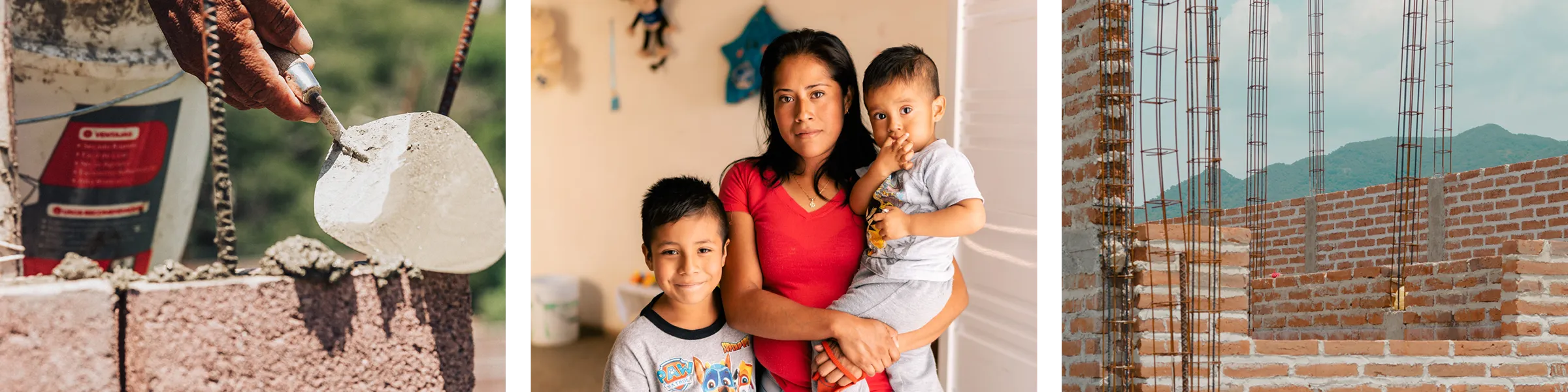
Because that's how Mexican families build. They start with a modest core structure and add rooms vertically or laterally over the next 10 to 15 years as their needs and opportunities evolve. Housing isn't a finished product delivered all at once. It's a living, evolving project that grows alongside the family, shaped by the resources, services and opportunities available to them over time.
Here's an honest challenge we face: the construction culture in Mexico makes it hard to reduce costs significantly. For starters, labor in Mexico is cheap. That's not a good thing for the masons, whose skills go underrewarded and often work under substandard conditions, but it does mean most imported housing innovations, even ones that have delivered cheaper solutions elsewhere, struggle to compete with what already exists locally.
And then, there are the materials. Sand and gravel, the main components by volume in a home, are inexpensive and widely accessible. We've explored alternatives to replace them, even with repurposed waste materials. Time and again, the local baseline is hard to beat on price alone.
Finally, the process: owner-led construction avoids soft costs that a commercial developer must charge. The typical family hires a mason and manages material supply directly: no professional design fees, permits, insurance policies, developer profit margins, etc.
That's not a reason to stop. It's a reason to be smarter about where and how we innovate.
The ideal housing innovation in Mexico checks a few specific boxes. It's compatible with owner-led construction. It allows for future expansion and interacts with concrete masonry. It doesn't require a steep learning curve for local builders. It either matches or beats the cost of traditional alternatives. And it’s more climate friendly and adaptive than conventional methods.
That's a narrow target, but it's the right one. Getting it wrong doesn't just mean wasted resources. It means solutions families can't actually use.
We’re still on a quest for innovative materials, but we're proud to say we successfully introduced a lean and affordable technical assistance service to optimize owner-led construction. By installing local teams that offer low-cost architectural services, families have access to customizable blueprints, detailed cost breakdowns, materials lists to reduce waste, and supervision during phased construction.
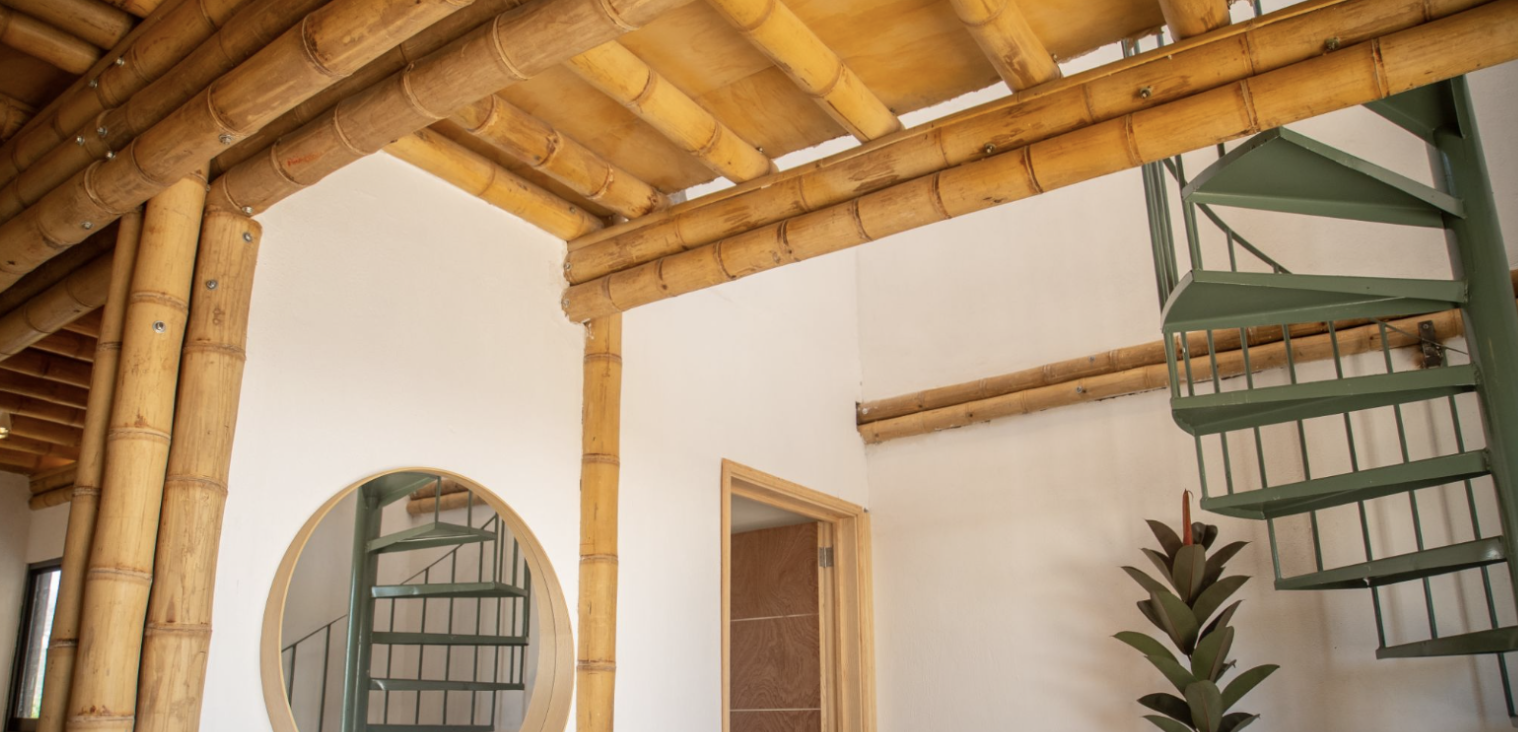
For instance, this year, after vetting around 50+ climate-smart innovations, we decided to launch a pilot to test a bamboo-based modular system. Not only does it promise to reduce carbon footprint by 70%, a metric already relevant; it also claims to be 16% cheaper and 80% faster than the conventional system, while making the home cooler by 9-11°F/5-6°C. This pilot provides a vital opportunity to validate the system’s performance while allowing families to interact with the design directly, helping us gauge how well it meets their needs and expectations.
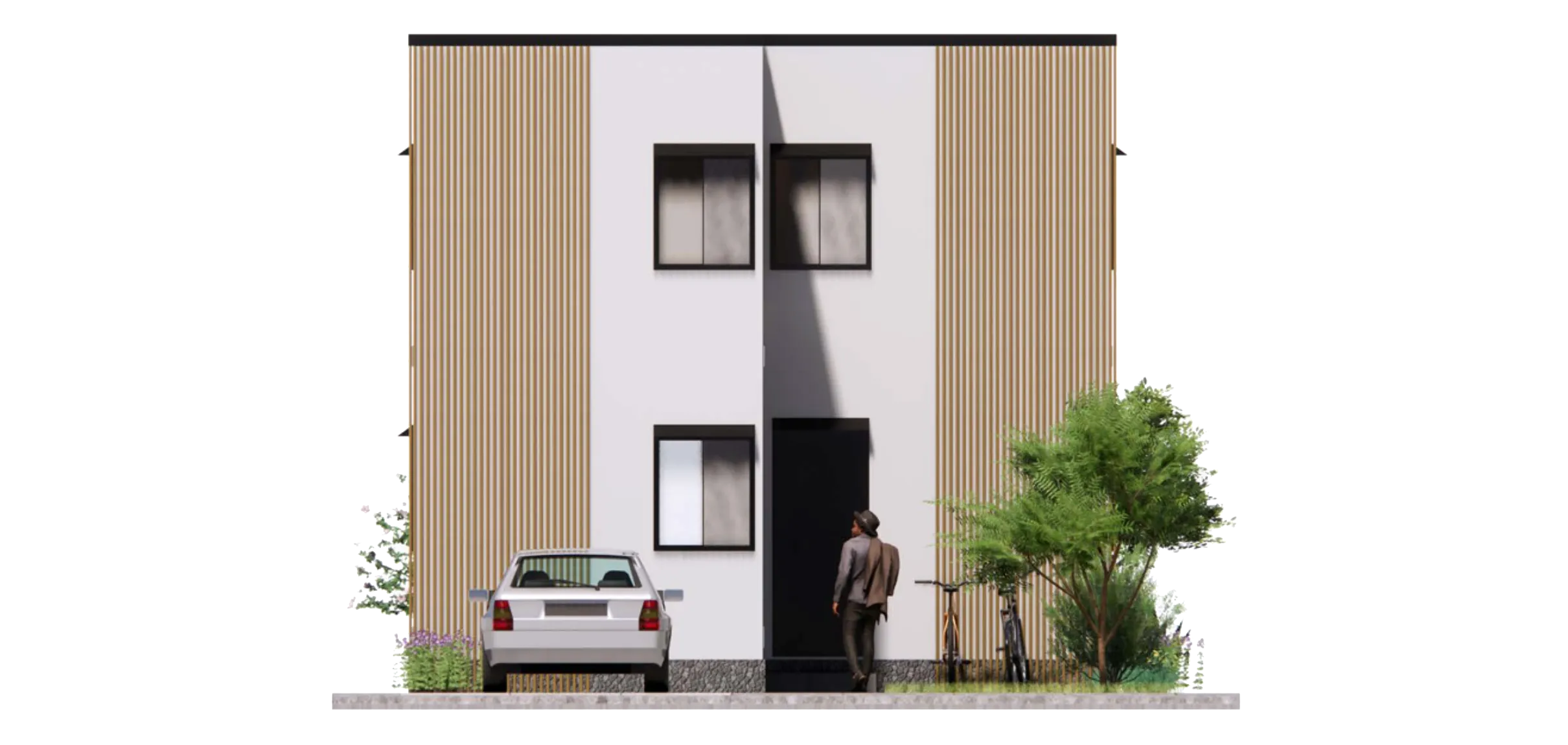
This is why having a local team in the field matters so much. We understand the culture. We know how families think about housing, not as a purchase, but as a long-term project. We also know which innovations will find a home in the market and which ones will sit unused because they don’t fit the way people actually live and build.
We are in a position few organizations occupy: close enough to the problem to test solutions quickly, and experienced enough to ask the right questions. Mexico's housing deficit sits at 8.5 million homes. Philanthropy and government subsidies together would address around 20% of that need. Market-based solutions can close the gap, but only if those solutions are grounded in a deep, honest, local understanding of how housing actually works in local contexts.
That's what our R&D work is really about. Not just finding a cheaper wall system. Finding an approach that actually fits the lives of the families we serve, and can scale to reach the millions who still need it.
There's no place like home. We're committed to proving more families can own one.
Suscríbase a nuestro boletín